Henna Classes Online: Your 2026 Learning Guide
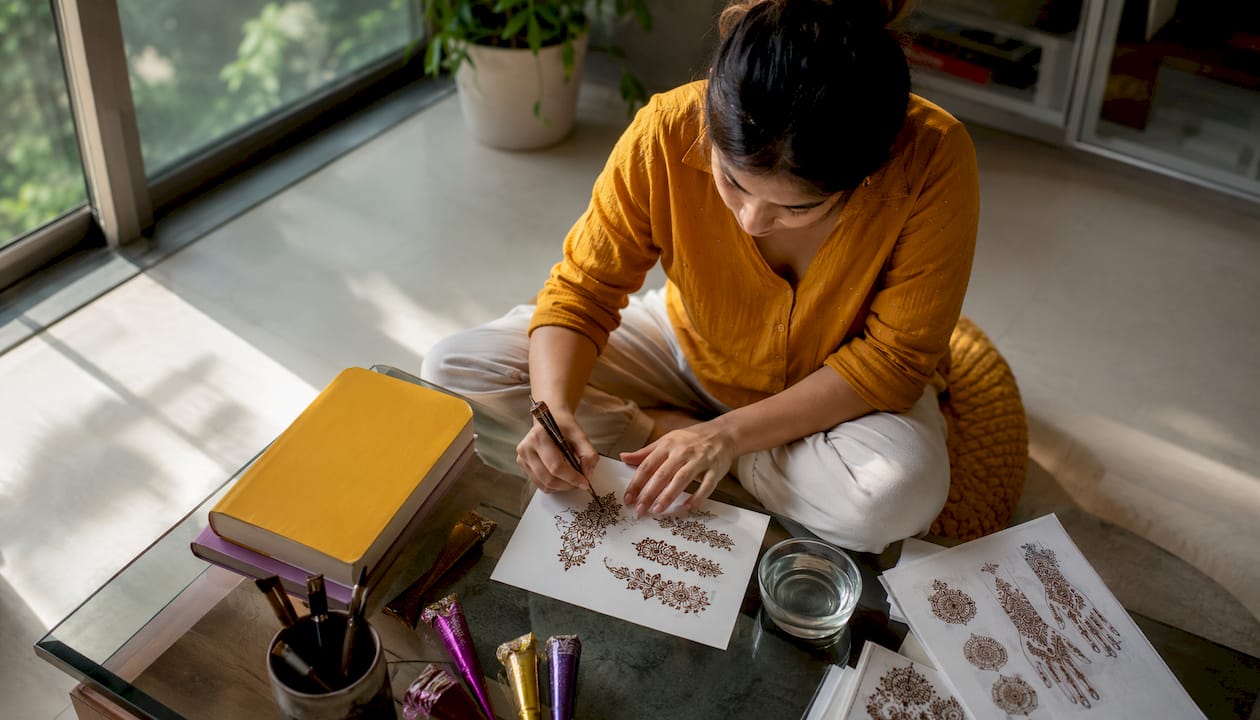
Henna classes online are structured art instruction programs that teach mehndi application, cone control, and design composition through video lessons, live sessions, or self-paced modules. The formal industry term is mehndi instruction, though “henna classes online” is the phrase most American learners search for. Hennaforfun offers private lessons for learners at every level, from total beginners to those preparing to work events. Whether you want to decorate your own hands, create gifts for friends, or build a skill set for parties and celebrations, virtual henna classes give you access to expert instruction without leaving home.
What to look for in henna classes online
The best online henna courses share four qualities: clear curriculum structure, instructor expertise, practical feedback, and flexible access. A course that checks all four boxes will take you further than one that simply offers a long video library.
Strong courses cover these core areas:
Cone control and pressure management. Pressure management is the single most important beginner skill. Uneven pressure causes smudged lines and broken patterns.
Fundamental shapes. All complex designs are built from four shapes: dots, lines, curves, and humps. A course that skips these fundamentals will leave you struggling later.
Paste preparation. Good instruction covers henna paste consistency, not just application. Paste that is too thin or too thick ruins even skilled work.
Design composition. You need to understand how to fill space, balance motifs, and adapt designs to different body parts.
Instructor feedback. Live or recorded feedback from a working artist accelerates progress far faster than watching videos alone.
Flexible access. Lifetime access and mobile compatibility let you revisit lessons when you need a refresher, not just during a fixed enrollment window.
Pro Tip: Before enrolling, watch any free preview lessons. If the instructor cannot explain cone pressure clearly in the first five minutes, the rest of the course will likely frustrate you.
5 types of online henna courses explained

Not every learner needs the same format. The five main course types each serve a different goal and budget.
1. Free beginner video tutorials
Free tutorials on platforms like YouTube give you a low-risk introduction to basic shapes and simple designs. The trade-off is inconsistency. Quality varies widely, and you get no feedback or structured progression. Free tutorials work best as a supplement to paid instruction, not as a standalone path.
2. Self-paced structured courses
Self-paced courses are the most popular format for American learners. You pay once and work through modules on your own schedule. Entry-level options start around $12, making them accessible for hobbyists. These courses typically cover fundamentals, cone technique, and a handful of design styles.
3. Live group workshops
Live group workshops run on a set schedule via video call. You watch the instructor in real time and can ask questions during the session. Hennaforfun’s henna workshops and events bring this format to life with hands-on community energy. Group sessions build accountability and let you see how other learners solve the same problems you face.
4. Professional certification programs
Professional programs are the most thorough option. Structured certification courses cover bridal mehndi, Arabic designs, paste preparation, and cone making in detailed modules. Prices reach around $90 for full professional curricula. Many programs issue CPD-certified certificates within days of completion, which you can show to clients or event organizers.
5. Custom one-on-one coaching
One-on-one coaching delivers the fastest skill growth. Personalized feedback and correction from a dedicated instructor eliminates bad habits before they become permanent. Hennaforfun offers private henna lessons both online and locally in the Kirkland, Bellevue, and Snohomish areas of Washington. This format costs more per hour but saves time overall because you are not guessing at what you are doing wrong.
Course type | Best for | Typical cost | Feedback available |
Free tutorials | Casual exploration | $0 | None |
Self-paced course | Hobbyists and beginners | $12–$90 | Rare |
Live group workshop | Community learners | Varies | Limited |
Certification program | Aspiring professionals | Up to $90 | Sometimes |
One-on-one coaching | Fastest skill growth | Premium | Yes, direct |
Essential skills taught in henna art tutorials
Every reputable henna learning session covers a core set of skills. Knowing what to expect helps you evaluate whether a course is thorough or superficial.
Foundational techniques every course should cover:
The four basic shapes. Dots, lines, curves, and humps are the building blocks of every mehndi pattern. Mastering them builds the muscle memory you need for advanced work.
Cone preparation. You learn how to fill a cone, seal it, and cut the tip to the right size for fine or bold lines.
Pressure control. Consistent pressure produces clean, even lines. Inconsistent pressure is the most common beginner mistake.
Design composition. Good courses teach you how to plan a design before you touch skin, including how to balance negative space and fill large areas without crowding.
Bridal and Arabic motifs. Advanced courses introduce specialized styles. Arabic designs use bold floral patterns with open space. Bridal mehndi covers the hands and forearms with dense, layered compositions.
Practice on diverse skin types. Real-world proficiency requires practice on different skin tones and textures. Online courses provide the knowledge; you supply the practice partners.
Pro Tip: Practice cone pressure on paper before moving to skin. Fill a cone with toothpaste and draw lines on parchment paper until your strokes are consistent. This costs nothing and builds control fast.
How to get the most out of virtual henna classes
Learning henna online works best when you treat it like a skill-building program, not passive entertainment. The difference between learners who progress and those who plateau is almost always practice discipline.
Set a fixed practice schedule. Thirty minutes of daily practice beats a three-hour session once a week. Regular, deliberate practice is the clearest predictor of progress for online learners.
Use community resources. Many courses include student groups or forums. Post photos of your work and ask for critique. Peer feedback catches errors you cannot see yourself.
Experiment with paste mixtures. Paste consistency changes with humidity and temperature. Try small batches with different ratios of henna powder, lemon juice, and essential oil to find what works in your climate.
Practice on varied skin tones. Henna stain color and visibility differ across skin tones. Practice on friends and family with different complexions to build real-world confidence.
Document your progress with photos. Photograph every design you complete. Comparing photos from week one to week eight shows you exactly how much your line quality and composition have improved.
A DIY henna kit gives you everything you need to practice between lessons without sourcing supplies separately. Consistent practice with quality materials compounds your learning faster than sporadic sessions with inconsistent paste.
Cost and value of online mehndi classes
Online henna course pricing covers a wide range, and price does not always predict quality.
Course level | Typical price | What you get |
Free tutorials | $0 | Basic video content, no structure |
Entry-level self-paced | ~$12 | Fundamentals, limited design styles |
Mid-range structured | $30–$60 | Broader curriculum, some feedback |
Professional certification | ~$90 | Full curriculum, certificate, advanced designs |
Private one-on-one | Varies | Personalized instruction, fastest results |
Entry-level courses start around $12, while full professional certification programs reach approximately $90. That gap reflects real differences in curriculum depth, instructor access, and certification value. A $12 course teaches you to draw simple patterns. A $90 program prepares you to work bridal events.
Budget for supplies in addition to course fees. Quality handmade henna cones and practice materials add to your total investment. Skimping on paste quality undermines even excellent instruction.
Pro Tip: Start with a mid-range structured course rather than the cheapest option. The extra investment in a well-organized curriculum saves you from unlearning bad habits picked up from disorganized free content.
Key Takeaways
The most effective henna classes online combine structured fundamentals, consistent cone practice, and real-world application across diverse skin types to build lasting skill.
Point | Details |
Master the four shapes first | Dots, lines, curves, and humps underpin every advanced mehndi design. |
Match course type to your goal | Hobbyists do well with self-paced courses; aspiring professionals need certification programs. |
Practice daily, not occasionally | Short daily sessions build muscle memory faster than infrequent long ones. |
Budget for supplies | Quality cones and paste materials directly affect your results, not just your instruction. |
One-on-one coaching accelerates growth | Personalized feedback eliminates bad habits faster than any other format. |
What I have learned from teaching and practicing henna art
Learning henna online is genuinely effective, but most students underestimate how long the fundamentals take to master. I have seen learners rush past dots and lines to attempt bridal designs after two weeks. The results are always the same: shaky lines, crowded compositions, and frustration. The four basic shapes are not a warm-up. They are the entire foundation.
The other thing most online courses do not tell you is that skin is unpredictable. Paste behaves differently on dry hands versus oily skin, in dry climates versus humid ones. No video lesson can fully prepare you for that variability. You have to practice on real people, in real conditions, repeatedly. Online instruction gives you the map. Practice gives you the territory.
The learners I have seen progress fastest are the ones who combine structured online instruction with hands-on sessions, whether through a local workshop, a henna event, or a private lesson. The online component builds your knowledge. The in-person component builds your confidence. You need both.
One more thing: do not wait until you feel “ready” to practice on other people. You will never feel ready. Put the cone in your hand and start.
— Angana
Hennaforfun’s resources for henna learners
Hennaforfun supports learners at every stage, from first-time hobbyists to artists preparing for events.

Private henna lessons are available both online and in person across the Kirkland, Bellevue, and Snohomish areas of Washington. Each session is tailored to your current skill level and goals, so you are not sitting through content you already know. Hennaforfun also offers DIY henna stencils to help you trace and internalize pattern shapes before freehand work. For hands-on community experience, Whenna Events bring henna application to wineries, homes, and private gatherings across the Seattle area. Whether you want structured lessons or a creative afternoon with friends, Hennaforfun has a format that fits.
FAQ
What do henna classes online teach beginners?
Online henna courses for beginners cover the four fundamental shapes (dots, lines, curves, and humps), cone preparation, pressure control, and basic design composition. These skills form the foundation for all advanced mehndi work.
How much do online henna courses cost?
Prices range from around $12 for entry-level self-paced courses to approximately $90 for professional certification programs. Free tutorials exist but offer no structure or feedback.
Can I get a certificate from an online henna course?
Many structured online henna courses issue certificates upon completion, often CPD-certified, which you can present to clients or event organizers to validate your skills.
How long does it take to learn henna online?
Progress depends on daily practice consistency. Most learners develop solid basic skills within four to eight weeks of regular practice, though bridal and advanced styles take considerably longer to master.
Do I need special supplies to take virtual henna classes?
A quality henna cone and fresh paste are the minimum requirements. A beginner-friendly DIY kit simplifies supply sourcing and gives you everything needed to practice alongside your lessons.
Recommended
Comments