How to Make Henna Stain Darker: a Complete Guide
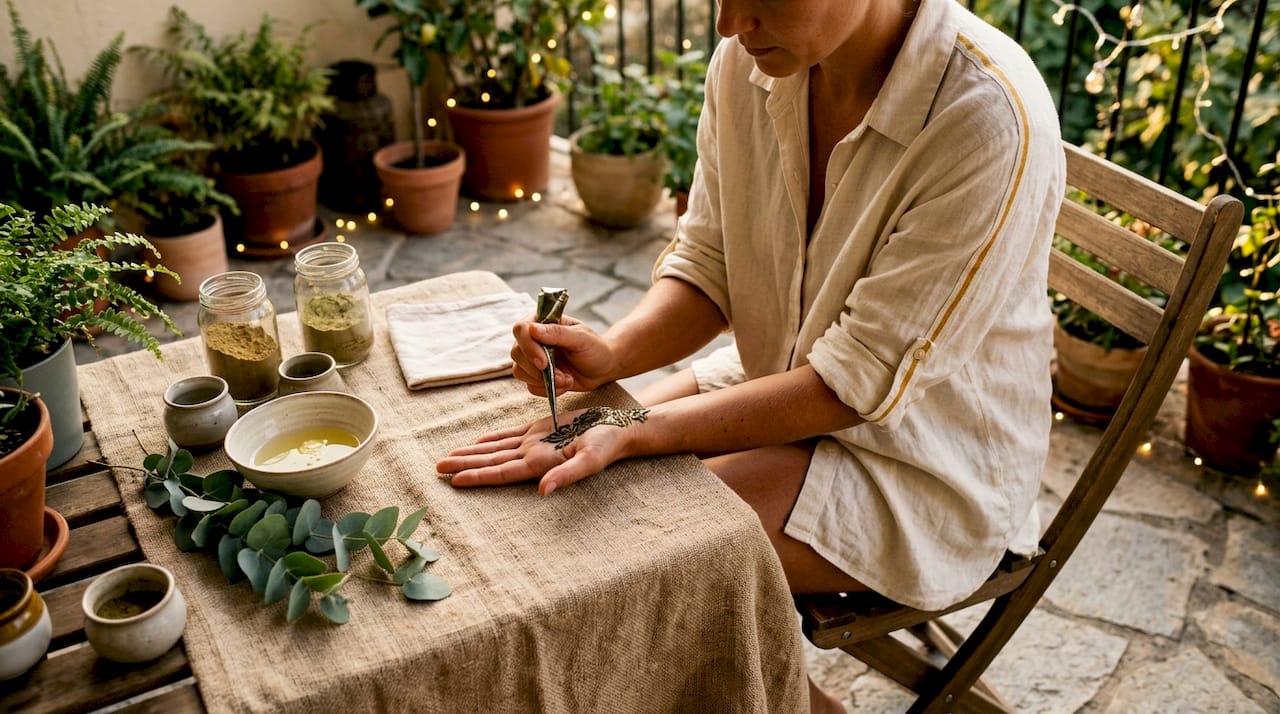
Making henna stain darker is a step-by-step process that depends on lawsone concentration, skin chemistry, and aftercare discipline. Lawsone is the natural dye molecule in henna that bonds with keratin proteins in the outer skin layer. The depth of your final stain reflects every decision you make before, during, and after application. This guide covers the full process, from skin prep to post-removal care, so you get the richest, longest-lasting color possible.
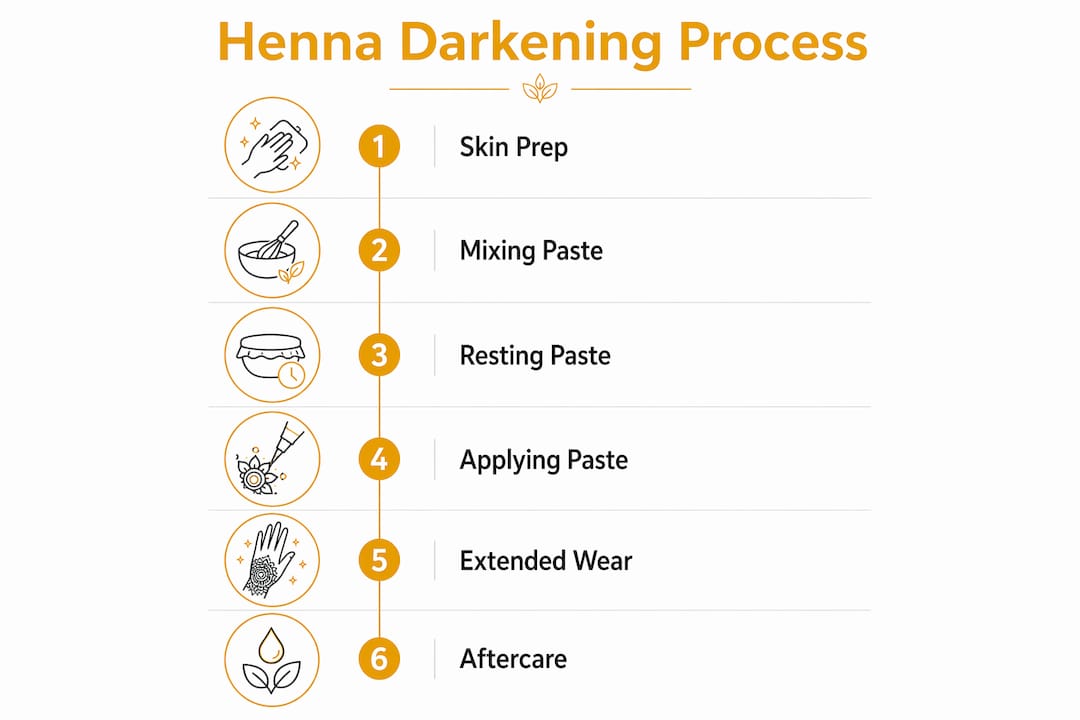
How to make henna stain darker: start with skin prep
Skin preparation is the single most controllable factor in stain depth. Clean, bare skin absorbs lawsone far more efficiently than skin coated in lotion or natural oils.
Follow these steps before any henna session:
Wash thoroughly. Use a gentle, oil-free cleanser on the area you plan to decorate. Remove all traces of lotion, sunscreen, and sweat.
Exfoliate lightly. A mild sugar scrub or a soft washcloth removes dead skin cells and creates a smoother surface for the paste to grip. Do not over-scrub; irritated skin stains unevenly.
Skip moisturizer. Moisturizers and oils create a barrier that blocks dye absorption. Apply nothing to the skin after cleansing.
Time it right. Prep your skin at least 30 minutes before application. This gives the skin time to settle without picking up new oils from the environment.
Pro Tip: Avoid shaving the target area on the same day. Freshly shaved skin is sensitive and may react unevenly to the paste’s acidity.
The palms and soles stain the darkest because the skin there is thicker and holds more keratin. If you are applying henna to your arms or back, expect a slightly lighter result, and compensate with longer wear time.
What makes henna darker: choosing and mixing the right paste
The paste you use determines the ceiling of your stain’s darkness. No amount of aftercare can fix a weak paste.
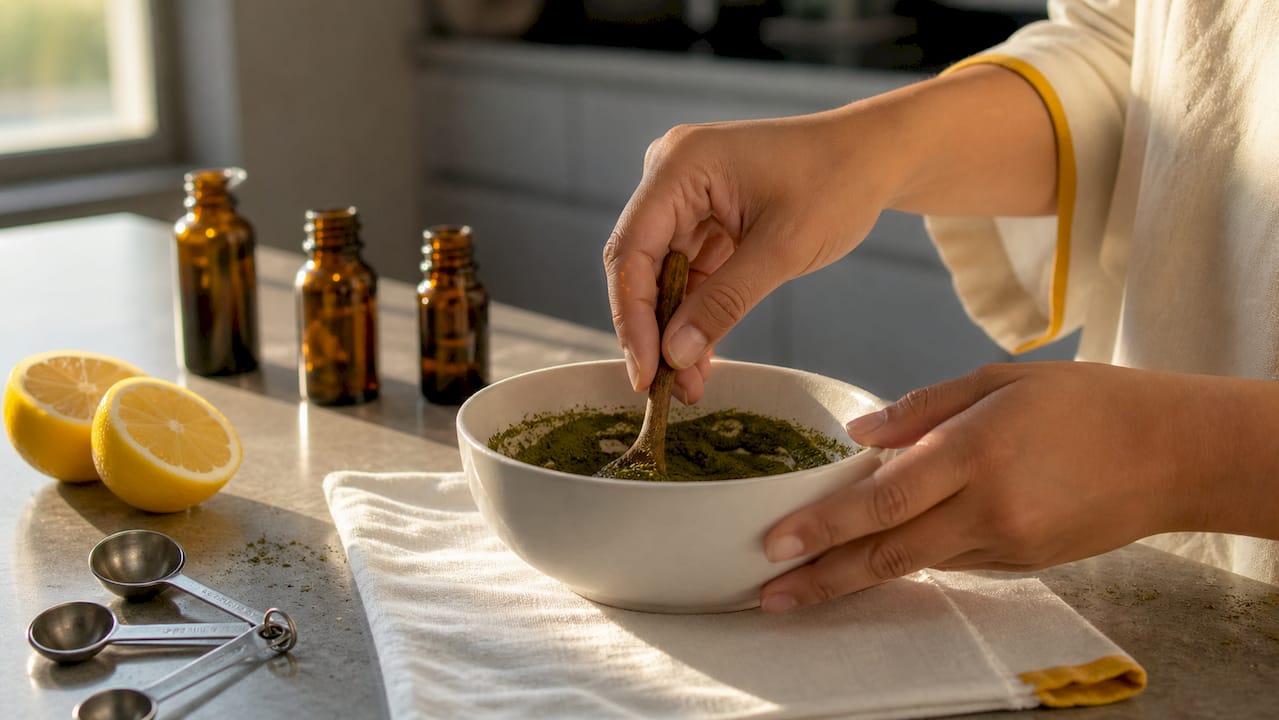
High-lawsone henna powder, such as Sojat henna from Rajasthan, India, contains significantly higher dye concentrations than generic or adulterated powders. Fresh henna with high lawsone content can double standard dye potency. Always check the harvest date on your powder. Henna older than one year loses potency quickly.
Mixing for maximum dye release
The liquid you use to mix henna matters as much as the powder itself. Acidic liquids break down the henna cell walls and release lawsone more fully.
Ingredient | Role | Notes |
Lemon juice | Provides acidity to release lawsone | Fresh-squeezed works best |
Cooled black tea | Adds tannins that deepen color | Brew strong, then cool completely |
Eucalyptus or clove oil | Boosts dye migration into skin | Add 1–2 drops per tablespoon of paste |
Sugar | Improves paste adhesion and flexibility | Prevents cracking during wear |
Mix the powder with lemon juice until you reach a thick, smooth consistency similar to toothpaste. Add a few drops of eucalyptus or clove essential oil. These oils contain terpenes that help lawsone penetrate deeper into the skin’s keratin layer.
Rest the mixed paste for 8–12 hours at room temperature before use. This resting period, called dye release, allows lawsone to fully migrate out of the plant cells and into the paste. Skipping this step is one of the most common reasons stains come out pale.
Pro Tip: Cover the paste with plastic wrap and rest it overnight. By morning, the surface will show a dark greenish-brown color, which signals full dye release.
Hennaforfun’s handmade henna cones are made with high-lawsone powder and pre-mixed for optimal dye release, which removes the guesswork from paste preparation entirely.
How long should you leave henna on for a dark stain?
Wear time is the most direct lever you have over stain darkness. Studies confirm that longer wear times give lawsone molecules more time to bond with skin proteins, deepening stain color.
The results break down clearly:
8–12 hours (or overnight): Deep mahogany to near-black tones. This is the target for bridal mehendi or any occasion where you want maximum impact.
4–8 hours: Medium brown. Good for casual wear or first-time applications.
Under 4 hours: Light orange. The lawsone has barely begun to migrate into the skin.
The paste looks dry within 30–60 minutes. That dryness is misleading. Removing paste too early because it looks dry truncates dye migration and results in a lighter stain. The paste must stay on long enough for lawsone to fully penetrate, not just sit on the surface.
Keeping the paste intact longer
Dry paste cracks and falls off, cutting your wear time short. A lemon-sugar sealant prevents this. Mix equal parts lemon juice and sugar until the sugar dissolves, then dab it gently over the dried paste using a cotton ball. Reapply every 2–3 hours for best results. Do not saturate the paste; a light, even coat is enough.
Wrapping the design loosely in medical tape or tissue paper after sealing adds another layer of protection. The wrap also traps body heat, which accelerates dye bonding. Gentle warmth helps lawsone molecules bond more deeply with skin proteins. Sitting near a warm lamp or holding your hands near a gentle heat source for 10–15 minutes after application produces a noticeably richer result.
Post-application care that deepens the stain
What you do in the 24 hours after removing the paste determines how dark your final stain becomes.
Scrape, do not wash. Remove dried paste by scraping gently with a butter knife or the edge of a credit card. Water prematurely rinses lawsone molecules and causes lighter, faster-fading stains.
Apply natural oil immediately. Coconut oil, mustard oil, or olive oil seals the stain and locks in moisture. Apply a generous layer right after scraping and let it absorb fully.
Stay dry for 12–24 hours. Avoiding water contact after paste removal allows the oxidation process to complete. Oxidation is what turns the initial orange stain into a deep brown or mahogany color.
Skip soap and detergent. Dish soap and body wash strip the stain. Use plain water only if you must wash the area, and pat dry immediately.
Stay warm. Cold environments slow oxidation. If you live somewhere cold, keep the stained area covered and warm for the first day.
“Henna is a living dye. The stain you see right after paste removal is not the final result. Oxidation over the next 24–48 hours is what produces the deep, rich color most people are aiming for. Patience after removal is just as important as patience during wear.”
Hennaforfun’s henna workshops and events teach aftercare techniques in detail, including the scrape-and-oil method that professionals use to protect stain integrity.
Common mistakes that prevent henna from getting darker
Most disappointing stains trace back to one of these errors:
Removing paste too early. The paste looks dry, so people assume it is done. Dryness and full dye migration are not the same thing. Always aim for the full 8–12 hour window.
Applying lotion or oil before henna. Even a small amount of moisturizer creates a barrier. Clean, bare skin is non-negotiable.
Overusing lemon-sugar sealant. Excessive lemon-sugar application can irritate skin and cause patchy, uneven stains. A light touch every few hours is enough.
Washing with water too soon. Rinsing within the first 12 hours after paste removal is the fastest way to ruin a stain.
Using old or low-quality henna powder. Henna that has been sitting on a shelf for over a year has degraded lawsone content. The paste may look right but will produce a weak stain.
Skipping the dye release rest period. Applying freshly mixed paste without resting it overnight means the lawsone has not fully released. The paste will stain, but not nearly as deeply as it could.
If your stain consistently comes out orange and fades within a few days, the problem is almost always paste quality or wear time, not your skin.
Key Takeaways
Darker henna stains require high-lawsone paste, extended wear time of 8–12 hours, and disciplined aftercare that avoids water for at least 12–24 hours after paste removal.
Point | Details |
Skin prep is non-negotiable | Cleanse thoroughly and skip all moisturizers before application to maximize dye absorption. |
Paste quality sets the ceiling | Use fresh, high-lawsone powder like Sojat and mix with lemon juice and essential oils for maximum depth. |
Wear time drives darkness | Leave paste on for 8–12 hours; removing it early because it looks dry is the most common mistake. |
Scrape, do not wash | Remove dried paste by scraping to preserve lawsone molecules and allow full oxidation. |
Aftercare seals the result | Apply natural oil immediately after scraping and avoid water and soap for 12–24 hours. |
What I have learned from years of henna work
By Angana
The question I hear most often is: “Why does my henna always come out orange?” The honest answer is almost always paste quality or impatience. People rush the wear time, or they buy powder that has been sitting in a warehouse for two years. Neither of those problems has a clever workaround.
What I find most interesting about henna is that it rewards the people who treat it like a craft rather than a shortcut. The artists who consistently get deep, rich stains are not doing anything magical. They source fresh Sojat powder, they rest their paste overnight, and they leave it on long enough. That discipline accounts for most of the difference between a pale orange stain and a deep mahogany one.
One thing I push back on is the idea that essential oils are optional. Eucalyptus and clove oil are not just traditional additions. They genuinely move the needle on stain depth, and skipping them is leaving color on the table. If you want to experiment, try two batches side by side, one with oil and one without. The difference is visible.
Skin sensitivity is real, and not everyone can leave paste on for 12 hours. If you have sensitive skin, start with 6 hours and work up. A slightly lighter stain on healthy skin is better than irritation. Henna artistry is a practice. Every application teaches you something about your own skin and your paste. If you are serious about improving, private henna lessons give you direct feedback that no article can replicate.
— Angana
Hennaforfun resources for deeper henna results
Getting consistently dark stains takes practice, and the right materials make that practice far more productive.

Hennaforfun offers handmade henna cones made with high-lawsone powder and properly rested paste, so you start every session with the best possible foundation. For those who want to build skills from the ground up, private art lessons in the Kirkland, Bellevue, and Snohomish area cover everything from paste preparation to aftercare in a hands-on setting. Hennaforfun also hosts community events and workshops where you can practice alongside other henna enthusiasts and get real-time guidance. If you are ready to take your stain depth seriously, these are the resources that will get you there faster.
FAQ
Does henna get darker after you take it off?
Yes. The stain appears orange immediately after paste removal and deepens to brown or mahogany over the next 24–48 hours as the lawsone oxidizes in contact with air.
When does henna get darker?
Henna gets darker during the oxidation phase, which begins after paste removal and continues for up to 48 hours. Keeping the area warm and dry speeds up this process.
How long should I leave henna on for the darkest stain?
Leave the paste on for 8–12 hours or overnight. Wear times under 4 hours produce only a light orange stain because lawsone has not had enough time to bond with skin proteins.
What makes henna darker: lemon juice or essential oils?
Both contribute. Lemon juice provides the acidity needed to release lawsone from the powder, while essential oils like eucalyptus or clove help the dye migrate deeper into the skin’s keratin layer.
Will my henna get darker if I apply oil after removing the paste?
Yes. Applying coconut, mustard, or olive oil immediately after scraping off the paste seals the stain and supports the oxidation process, which deepens the final color.
Recommended
Comments