25 Corporate Happy Hour Ideas That Actually Build Connection
The quickest path to a high-attendance, inclusive corporate happy hour is picking one clear format, naming a goal, and matching your logistics to budget and group size. The top categories to scan: in-person social, hands-on workshops, games and trivia, food-forward formats, and alcohol-free options.
Here’s a fast-reference breakdown before you dive into the full list:
In-person social (casual drinks, themed bar carts, lawn games): $10–$30/person, 45–90 min, not remote-friendly
Hands-on workshops (henna, painting, cooking class): $25–$75/person, 60–90 min, not remote-friendly
Games and trivia (team trivia, bingo, escape room): $5–$40/person, 45–75 min, remote-friendly with the right platform
Food-forward formats (tasting flights, catered apps, food trucks): $15–$50/person, 45–90 min, partially remote-friendly with delivery kits
Alcohol-free options (mocktail bar, tea ceremony, smoothie station): $8–$25/person, 30–60 min, remote-friendly
Research consistently shows that happy hours perform best when organizers name a clear goal, provide food and non-alcoholic options, keep activities optional, and follow up briefly afterward. That framework applies whether you’re planning a quick Tuesday wind-down for 12 people or a quarterly celebration for 80.
Key Takeaways
The most effective corporate happy hours name a clear goal first, then match the format, budget, and activity to that goal rather than defaulting to an open bar.
Point | Details |
Start with a goal | Define whether the event is a celebration, onboarding, cross-team mixer, or client event before picking an activity. |
Match format to group size | Workshops and tastings fit groups under 30; food trucks, trivia, and multi-station setups scale to 50 or more. |
Build in inclusivity from the start | Label food allergens, offer two non-alcoholic drink options, and make every hands-on activity opt-in. |
Use the 60/40 budget split | Allocate roughly 60% of per-person budget to food and 40% to one focal activity for the best attendee experience. |
Hennaforfun for hands-on engagement | Hennaforfun’s corporate henna workshops arrive fully equipped and scale to your group size with minimal planning required from you. |
Table of Contents
The best corporate happy hour ideas, organized by format
Happy hours can be structured as activities, curated food and drink experiences, or guest-led entertainment — and each format requires different vendors, supplies, and lead time. The ideas below are grouped so you can scan by what fits your team’s culture and constraints.
In-person social and venue-based
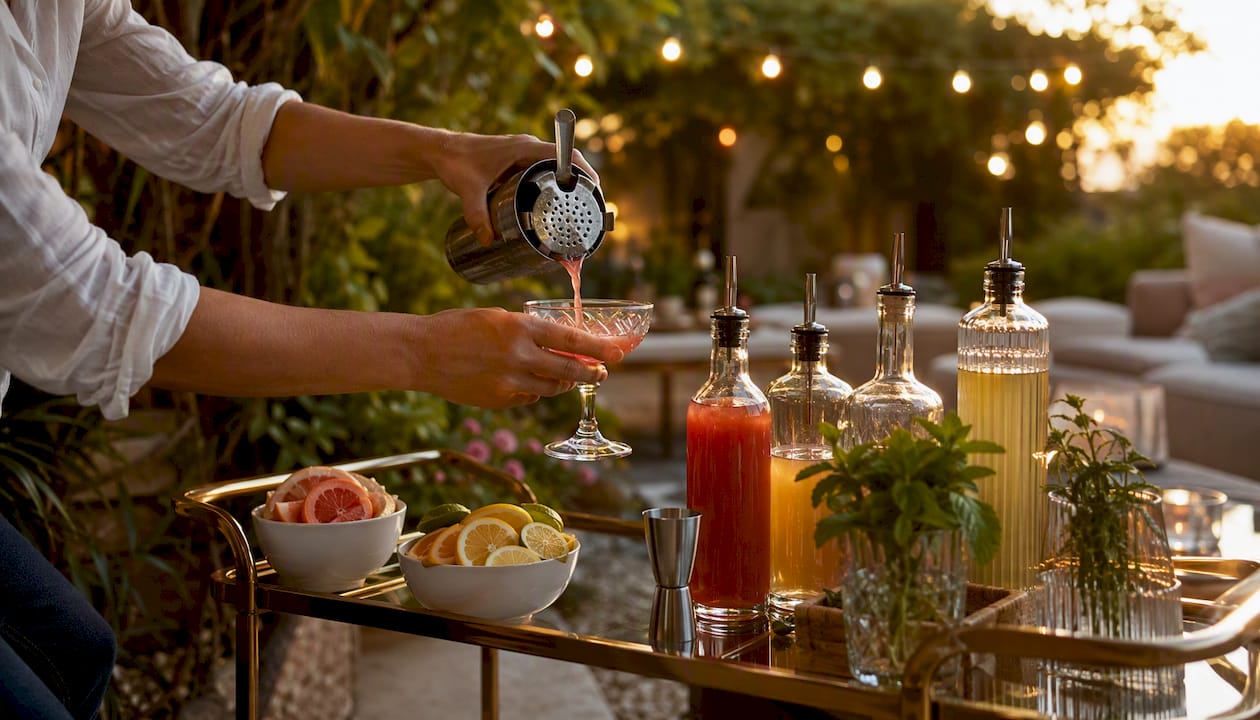
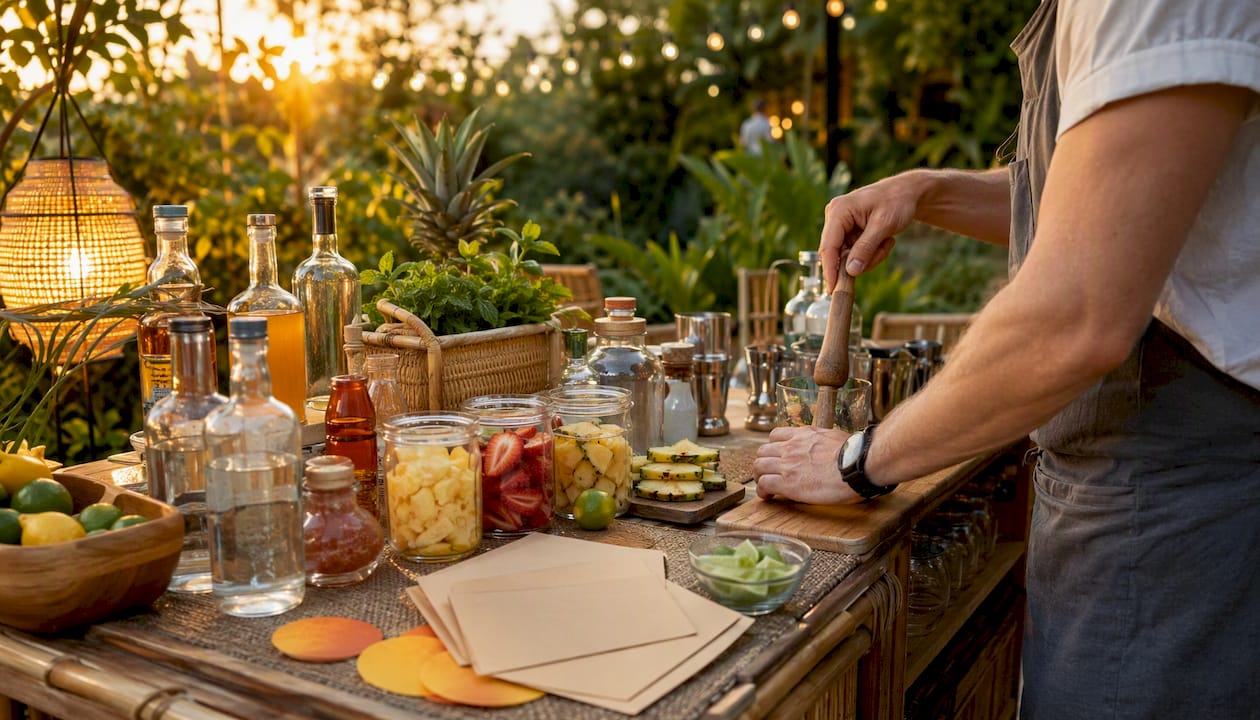
1. Themed bar cart social Roll a stocked bar cart into a conference room with a single cocktail theme (think: “Tropical Friday” or “Classic Sours”). One person plays bartender. Group size: 8–30. Budget: low ($10–$20/person). Duration: 45–60 min. Supplies: spirits, mixers, garnishes, printed recipe cards. Accessibility note: always include a full mocktail version of the featured drink.
2. Rooftop or outdoor lawn games Cornhole, bocce, and giant Jenga work well for mixed groups who don’t want a structured agenda. Group size: 15–60. Budget: low ($5–$15/person for snacks and rentals). Duration: 60–90 min. Supplies: game sets, folding tables, cooler. Accessibility note: confirm surface is wheelchair-accessible before booking.
3. Local brewery or winery tour Book a private tasting room for 10–40 people. Most venues handle the logistics; you just coordinate transportation. Budget: medium ($30–$55/person including tasting fee). Duration: 90 min. Red flag: venues that don’t offer a non-alcoholic tasting option. Ask before you book.
4. Food truck rally Park two or three food trucks outside the office for an hour. Employees choose their own meal, which removes dietary-restriction stress from the organizer. Group size: 20–100+. Budget: medium ($15–$30/person). Duration: 60 min. Works especially well for milestone celebrations.
5. Spa-style mini-treatment station Set up a nail bar or mini-treatment station for a genuinely different after-work experience. Luxury spa packages can be adapted for group events, and many providers offer mobile setups. Group size: 10–30. Budget: medium ($25–$50/person). Duration: 60–90 min. Opt-in only; never make body treatments mandatory.
Hands-on workshops and classes
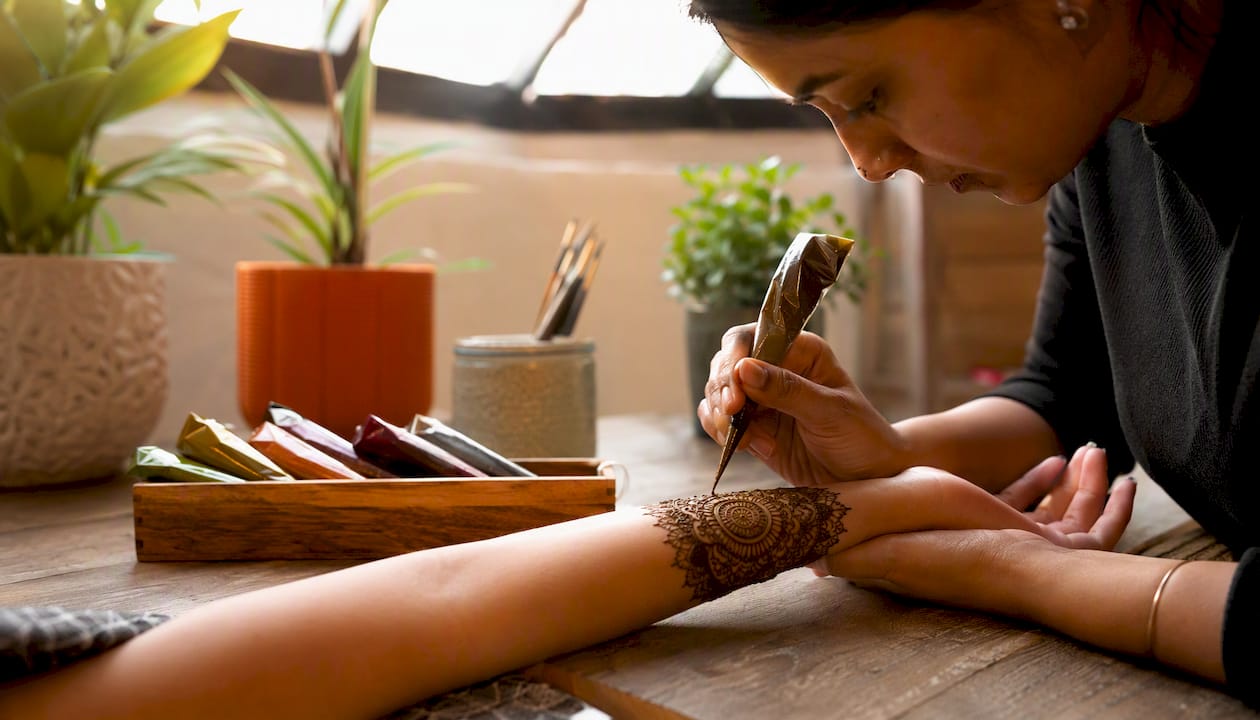
6. Henna art workshop A professional henna artist sets up stations where employees get custom designs while chatting. The activity creates natural conversation starters without forcing structured icebreakers. Group size: 10–50. Budget: medium ($30–$60/person, or a flat artist fee). Duration: 60–90 min. Fully opt-in; no pressure to participate. See the dedicated section below for logistics.
7. Cocktail or mocktail mixing class A mixologist teaches two or three recipes, then everyone makes their own. The hands-on element keeps energy up. Group size: 10–30. Budget: medium ($35–$65/person). Duration: 60–75 min. Always include a full mocktail track.
8. Painting or sketching session Hire a local art instructor for a guided “paint and sip” (or paint and sparkling water) session. No experience needed. Group size: 8–25. Budget: medium ($30–$55/person including supplies). Duration: 90 min. Quiet, low-pressure, and popular with introverts.
9. Cooking or baking class Book a commercial kitchen or bring in a chef instructor. Dumplings, pizza, or cookie decorating all work well. Group size: 8–20. Budget: medium-high ($45–$80/person). Duration: 90 min. Confirm allergen protocols with the instructor in advance.
10. Flower arranging A florist leads a 45-minute arrangement session; everyone takes their creation home. Group size: 10–30. Budget: medium ($35–$60/person). Duration: 45–60 min. Minimal mess, no alcohol required, and the takeaway doubles as a thank-you gift.
Games and structured icebreakers
11. Team trivia night Use a platform like Kahoot or Mentimeter for in-person play, or Jackbox for hybrid groups. Mix pop culture, company history, and industry questions. Group size: 10–80. Budget: low ($5–$15/person for snacks). Duration: 45–60 min. Remote-friendly: yes.
12. Bingo with prizes Custom bingo cards (use your company’s inside jokes or team milestones) plus small prizes. Takes 20 minutes to set up. Group size: 10–60. Budget: low ($5–$10/person). Duration: 30–45 min. Remote-friendly: yes, via shared screen.
13. Escape room (in-person or virtual) Book a private room for a small group or use a virtual platform for distributed teams. Group size: 4–30. Budget: low-medium ($20–$40/person). Duration: 60–75 min. Remote-friendly: yes with virtual versions.
14. PowerPoint party Each person prepares a 3-slide presentation on a ridiculous topic (“Why My Pet Is the Best Employee,” “Ranking Office Snacks”). Hilarious, zero-cost, and surprisingly revealing about team personalities. Group size: 6–20. Budget: free. Duration: 45–60 min. Remote-friendly: yes.
15. Two Truths and a Lie (structured round) Run it as a timed bracket tournament with a moderator. Works well for onboarding new hires into an existing team. Group size: 8–25. Budget: free. Duration: 20–30 min. Remote-friendly: yes.
Food-forward formats
16. Charcuterie board build-off Split into teams and give each a basket of ingredients to build the best board. A panel of “judges” (senior leaders, volunteers) picks a winner. Group size: 10–40. Budget: low-medium ($15–$25/person). Duration: 45–60 min.
17. International snack tasting Order a curated snack box from a service like Universal Yums and taste through it together. Easy to ship to remote employees too. Group size: any. Budget: low ($10–$20/person). Duration: 30–45 min. Remote-friendly: yes.
18. Catered appetizer spread with a theme Pick a cuisine theme (Mediterranean, Japanese street food, Southern BBQ) and order accordingly. Themed food gives people something to talk about beyond work. Group size: 10–80. Budget: medium ($20–$40/person). Duration: 60 min.
19. DIY taco or nacho bar Self-serve stations eliminate dietary guesswork and keep things casual. Group size: 15–100. Budget: low ($10–$18/person). Duration: 45–60 min. Label every ingredient clearly for allergen awareness.
Virtual and hybrid formats
20. Virtual wine or beer tasting Ship tasting kits to remote employees before the event; an online sommelier guides everyone through the flight simultaneously. Group size: any. Budget: medium ($35–$60/person including shipping). Duration: 60 min. Remote-friendly: yes.
21. Virtual cooking challenge Everyone shops for the same three ingredients and has 30 minutes to make something. Share results on camera. Group size: 6–20. Budget: low ($10–$20/person). Duration: 60 min. Remote-friendly: yes.
22. Online henna class A henna instructor teaches basic patterns via video call while participants follow along with a beginner-friendly kit. Group size: any. Budget: low-medium ($15–$30/person for materials). Duration: 45–60 min. Remote-friendly: yes.
23. Virtual escape room or murder mystery Platforms like Teambuilding.com or Weve host facilitated virtual events. Group size: 10–200. Budget: medium ($25–$45/person). Duration: 60–90 min. Remote-friendly: yes.
Alcohol-free and inclusive options
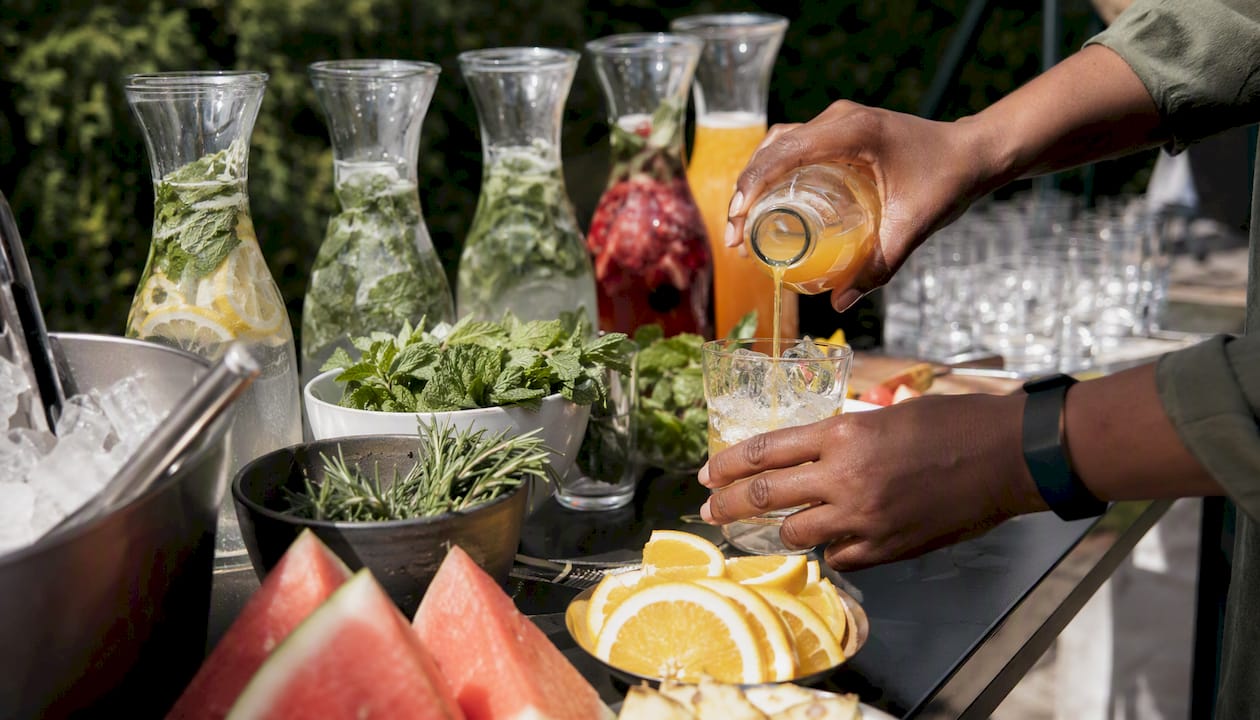
24. Mocktail bar with a mixology guide Set up a self-serve station with sparkling water, fresh juices, herbs, and syrups. Print a recipe card for three signature mocktails. Group size: any. Budget: low ($8–$15/person). Duration: 45–60 min. Works as a standalone or alongside a full bar.
25. Tea or coffee tasting A specialty tea or coffee vendor leads a guided tasting of five to seven varieties. Calming, genuinely interesting, and completely alcohol-free. Group size: 8–30. Budget: low ($10–$20/person). Duration: 45–60 min.
Interactive and themed formats drive higher attendance because they give people a social focal point and a reason to stay engaged beyond small talk. That’s the single biggest argument for picking an activity over a plain open bar.
How to choose the right happy hour format for your team
Start with the goal, not the activity. A celebration calls for something festive and low-pressure. Onboarding new hires needs structured icebreakers. Cross-team mingling benefits from a shared task that breaks down department silos. Client entertainment requires a polished, private setting. The ARC Framework maps format to group size and cost: tastings and workshops fit small groups well, while food trucks and bar crawls scale to larger ones.
Once you know the goal, run through these criteria:
Group size: Under 20 people can do intimate workshops; over 50 needs self-serve formats or multiple activity stations.
Budget per person: Low ($5–$20), medium ($20–$50), or high ($50+) determines whether you’re doing DIY snacks or a staffed private venue.
Schedule constraints: A 45-minute window after a long meeting day calls for low-prep, low-energy formats. A Friday afternoon with a flexible end time opens up workshops and venue experiences.
Alcohol policy: Some companies prohibit alcohol at company-sponsored events. Know your HR policy before booking anything.
Accessibility needs: Confirm wheelchair access, dietary labeling, and captioning for any virtual component.
Remote participation: If even two or three people are remote, design the activity so they’re not watching from a thumbnail.
Questions to ask vendors before you sign anything: Do you carry liability insurance? What’s the cancellation policy? Can you accommodate a nut-free or gluten-free setup? What’s the minimum headcount for your pricing?
Red flags: a venue with no non-alcoholic options, a caterer who can’t label allergens, or a vendor who quotes a flat fee without clarifying whether travel and setup are included.
Pro Tip: Split your per-person budget roughly 60/40 between food and one focal activity rather than spending the whole budget on an open bar. Attendees remember what they did together far longer than what they drank.
The most effective team happy hours blend low-pressure social time with light, optional activities that encourage cross-team interaction without forcing participation. That balance is what separates a well-attended event from one people quietly skip.
Sample agendas and timing templates for your next event
Three ready-to-use timelines below, plus invite copy you can adapt.
Invite blurb examples:
Casual (internal Slack or email): “Join us Friday at 4:30 PM for team trivia and snacks in the main conference room. Prizes for the winning team. Non-alcoholic drinks and food provided. No prep needed — just show up.”
Formal (client-facing or exec event): “You’re invited to an evening of cocktails, light appetizers, and a guided tasting at [Venue Name] on [Date] from 5:00–6:30 PM. Please RSVP by [Date] and note any dietary restrictions.”
Hybrid (remote-friendly): “We’re hosting a virtual happy hour on [Date] at 4:00 PM PT / 7:00 PM ET. A tasting kit will ship to your address by [Date] — reply to confirm your shipping info. Remote and in-office attendees will join the same video call.”
Practical supplies, budget bands, and vendor types
Three budget bands cover most corporate happy hour scenarios:
Low ($5–$20/person): DIY snack spread, printed game cards, bar cart with store-bought mixers. You’re doing most of the work yourself. Best for small, frequent team gatherings.
Medium ($20–$50/person): Catered appetizers plus one focal activity (trivia host, henna artist, mixologist). This is the sweet spot for most quarterly events.
High ($50+/person): Private venue, staffed experience, full catering. Reserve for milestone celebrations, client entertainment, or annual events.
Supplies checklist by category:
Bar setup: spirits or mocktail bases, mixers, garnishes, ice, glassware, cocktail napkins, recipe cards
Tasting flight: 4–6 samples per person, tasting notes printout, palate cleansers (crackers, water)
Game kit: printed cards or device with app loaded, timer, small prizes, score sheet
Craft station (henna, painting, flower arranging): materials provided by vendor, protective table covers, hand wipes
AV/hybrid: laptop, external webcam, ring light, stable Wi-Fi, backup hotspot
Vendor types and what they handle:
Caterer: food, dietary labeling, setup and breakdown
Mixologist or bartender: drink menu, supplies, service, and responsible-service compliance
Event artist or instructor (henna, painting, cooking): materials, instruction, staffing ratio
AV support: camera, audio, streaming setup for hybrid events
Venue coordinator: space logistics, permits, insurance, parking
Pro Tip: Always request an itemized quote. A flat “event fee” often excludes travel, setup time, and gratuity. Ask specifically: “What is not included in this price?” before you sign.
Why a Henna For Fun workshop works well as a corporate happy hour activity
A henna workshop solves one of the hardest problems in corporate event planning: getting people to actually talk to each other. When someone is sitting at a station getting a custom design, they’re naturally relaxed, stationary, and open to conversation. The activity does the social work without a forced icebreaker script.
Henna For Fun offers corporate workshops and event services that scale to different group sizes, positioning henna as a hands-on, creative team experience. Here’s what a typical workshop flow looks like:
Welcome and demo (10 min): The artist introduces the basics of henna, shows a few design styles, and explains the process so guests know what to expect.
Station rotation (40–60 min): Guests rotate through artist stations. Each design takes roughly 5–15 minutes depending on complexity, so an artist can serve 4–8 people per hour.
Mingle time (15–20 min): While designs dry, guests circulate, compare patterns, and keep the conversation going naturally.
Wrap-up (5 min): Artist explains aftercare; guests leave with a design that lasts 1–2 weeks.
Logistics checklist:
Space: one 6-foot table per artist, good lighting, chairs for both artist and guest
Time: 60–90 minutes for groups up to 30; add an artist for larger groups
Materials: Henna For Fun provides cones, stencils, and aftercare instructions
Staffing ratio: one artist per 8–12 guests for a comfortable pace
Opt-in only: communicate clearly in the invite that participation is voluntary
A henna workshop brings something most corporate activities don’t: a genuine reason to sit still together. The design becomes a shared experience and a conversation piece that outlasts the event itself. For mixed-age, mixed-department groups, that kind of low-pressure creative moment is often what people remember most.
Pricing for corporate workshops is typically quoted as a flat artist fee (covering a set number of hours) plus optional per-person add-ons for premium designs or take-home kits. Hennaforfun’s corporate workshop page outlines available formats; Whenna Events shows how the company runs group experiences at venues ranging from wineries to office spaces. For planners who want a structured instructional component, private lesson formats can be adapted to teach basic patterns to the whole group.
Safety, accessibility, and inclusivity checklist
A well-run happy hour is one where every employee feels genuinely welcome, not just technically included. Work through this checklist before you finalize any event:
Alcohol and beverages:
Offer at least two non-alcoholic options beyond water (mocktails, sparkling juice, specialty sodas)
Consider renaming the event to “cocktail hour,” “afternoon social,” or “team celebration” to signal that alcohol is optional, not central
Arrange safe-ride options (rideshare credits, designated driver coordination) when alcohol is served
Food and dietary needs:
Label every food item with common allergens (nuts, gluten, dairy, shellfish)
Confirm with your caterer that cross-contamination protocols are in place
Include at least one vegan and one gluten-free option in every catered spread
Accessibility:
Confirm the venue is wheelchair-accessible, including restrooms
Provide seating variety: not everyone wants to stand for 90 minutes
For virtual components, enable live captions or use a platform with auto-transcription (Zoom, Google Meet)
Include clear signage and accessible routes from parking or transit
Consent and personal boundaries:
For body-art activities like henna, state clearly in the invite that participation is opt-in
Offer an alternative activity for guests who prefer not to participate
Never photograph employees without consent; include a photo-opt-out option in your RSVP
Logistics and opt-out:
Send a clear RSVP with an easy opt-out option, no explanation required
Schedule events to end at a reasonable time so employees with caregiving responsibilities can attend
Follow up with a brief survey (3 questions maximum) to improve the next event
What actually makes these events work
Most corporate happy hours fail for the same reason: the organizer picks the activity before defining the goal. A rooftop bar is fun, but it does nothing for a team that needs to build trust across two newly merged departments. A trivia night is energizing, but it can sideline quieter employees who don’t perform well under pressure.
The events that land well share one trait: the activity creates a natural reason for people to interact without requiring them to perform. Henna workshops do this. Cooking classes do this. A well-run tasting does this. What they have in common is that the activity itself carries the conversation, so nobody has to work at being social.
There’s also a timing insight most planners miss. The best window for a corporate happy hour is 4:00–5:30 PM on a Thursday, not Friday. By Friday afternoon, people are mentally checked out and eager to leave. Thursday keeps the energy up and gives employees a natural conversation topic the next morning.
One more thing worth saying plainly: inclusivity isn’t just about offering a mocktail. It’s about designing the event so that someone who doesn’t drink, doesn’t eat gluten, uses a wheelchair, or has social anxiety can participate fully and comfortably. That standard is higher than most event checklists reflect, but it’s the one that determines whether your whole team shows up or just the usual crowd.
Hennaforfun brings the creative experience to your team
Planning a corporate happy hour that people actually want to attend takes more than booking a conference room and ordering pizza. Hennaforfun delivers a hands-on creative experience that requires minimal setup from you and generates genuine engagement from your team.
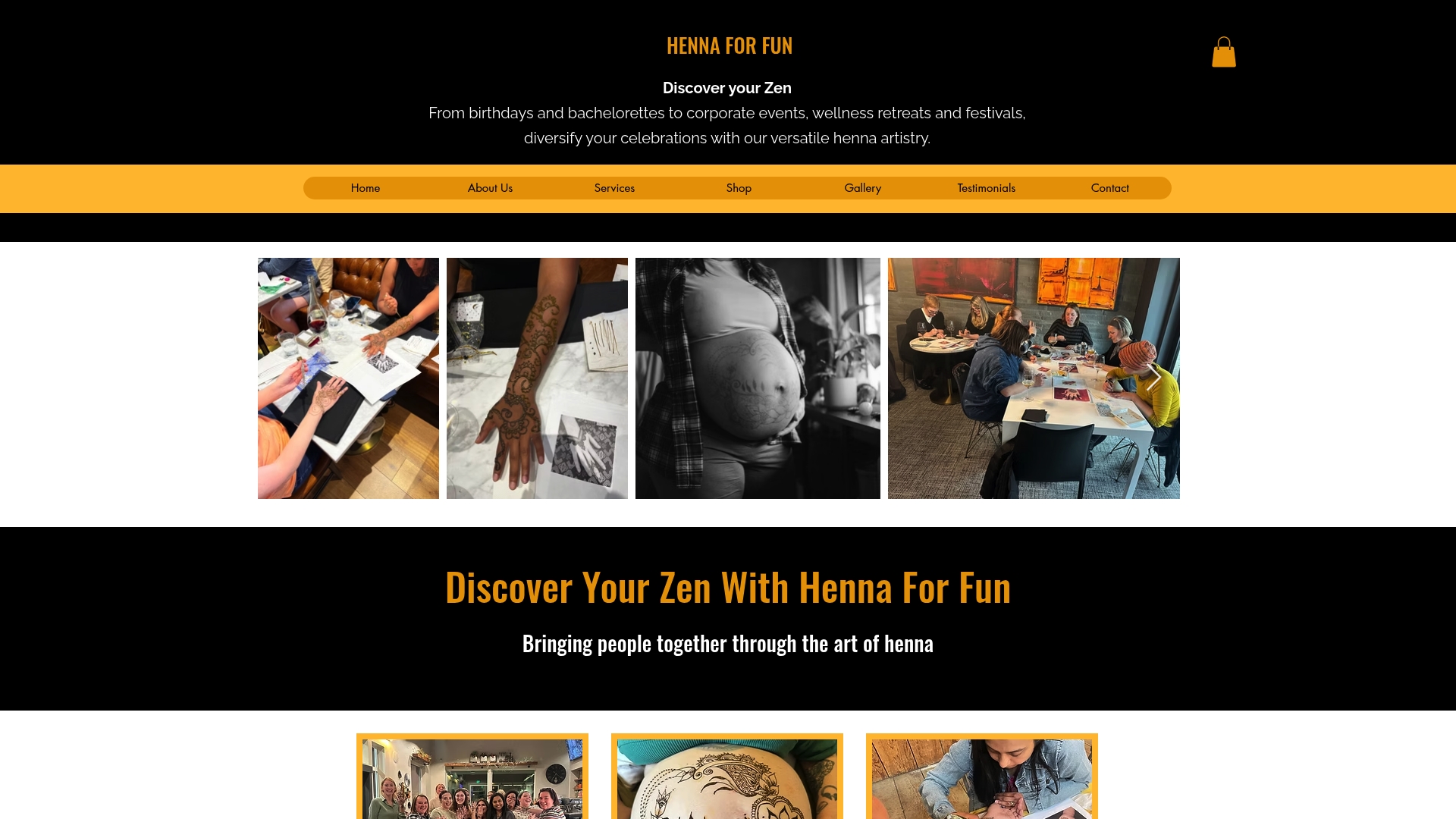
The format is simple: Hennaforfun’s professional henna artists arrive with all materials, set up their stations, and guide your group through a relaxed, creative session that works for mixed groups of any size. No experience needed on your team’s part. No venue hunting, no equipment rental, no dietary-restriction spreadsheets. The activity is opt-in by design, so it fits teams with varied comfort levels. Whether you’re planning a quarterly team celebration, a new-hire welcome event, or a client appreciation evening, a henna workshop adds a memorable, personal element that a catered spread alone can’t replicate.
To get started: visit the Hennaforfun services page to review corporate workshop options, then reach out to request a quote for your date and group size. Availability books up, especially for Friday and end-of-quarter dates, so the earlier you inquire, the better.
Sources
Recommended
Comments