Facilitator Toolkit: 5 Copyable DEI Workshop Ideas

For the most measurable impact, prioritize three activity types: behaviorally designed decision simulations, structured dialogue methods like Liberating Structures, and art-based storytelling sessions, then pair them with follow-up practice. Short modules around half an hour to an hour work well for skills rehearsal, while longer creative sessions better support belonging. Programs with multiple sessions and ongoing practice tend to produce better behavior change than single-session trainings.
TL;DR:
Behaviorally designed decision simulations, dialogue methods, and art-based storytelling are most effective when paired with follow-up practice over multiple sessions.
Short modules of 30 to 60 minutes improve skills, while longer creative activities foster a sense of belonging through vulnerability.
Incorporating real decision points, such as hiring or bias responses, enhances the lasting impact of practice activities.
Art-based sessions help participants practice vulnerability in a non-confrontational way and should be built around cultural humility.
Follow-up actions like action-plan tracking, microlearning, and coaching are crucial for sustaining behavior change after training.
Table of Contents
Activity Ideas Sorted by Time and Learning Goal
Picking the right activity starts with knowing how much time you have and what you want participants to walk away doing differently. Below is a working bank organized by length, each one usable on its own or stacked into a longer agenda.
Short energizers (10 to 20 minutes) warm up a group without demanding deep vulnerability too soon.
Inclusive introductions: participants share name, pronoun, and one object that represents their background, in pairs then to the full group.
Paired storytelling: two people swap a two-minute story about a time they felt like an outsider, then summarize each other’s story back.
Perspective-taking prompts: a single scenario (“You’re the only person in the room who doesn’t speak the dominant language”) discussed in triads.
Mid-length modules (30 to 60 minutes) work for skill practice tied to a specific decision or behavior.
Micro-simulation for hiring decisions: participants review two anonymized resumes and discuss where bias crept into their reasoning.
Microlearning on inclusive language: a short presentation followed by a live editing exercise on real workplace phrases.
Micro-practice for bystander intervention: participants rehearse a scripted response to a biased comment, then swap roles.
Long or deep options (90-plus minutes) suit groups ready to explore identity and belonging in more depth.
Art-based identity exchange using masks, fabric stories, or henna-inspired hand designs, where each design choice is tied to a personal narrative.
Multi-station cultural fairs where small groups rotate through stations led by volunteers sharing their own traditions.
Restorative-circle deep dives for teams working through a specific incident or recurring tension.
Label every activity with its time, objective, materials list, and a one-line remote adaptation, for example swapping physical fabric swatches for a shared digital mood board. One caution applies across all art and culture-based activities: avoid treating any tradition as a costume or prop. Facilitator guides recommend building these sessions around cultural humility, co-created with the people whose traditions are being represented, rather than a prescriptive performance of someone else’s heritage.
Five Ready-to-Run Session Templates
These five templates are built to be copied directly into a facilitator’s run sheet. Each includes setup, timing, and a debrief.
Behaviorally designed hiring simulation (45 minutes). Give pairs two candidate profiles with identical qualifications but different names and backgrounds. At minute 15, participants make a shortlisting call. At minute 25, reveal the matched qualifications and open debate on what influenced the choice. Field experiments found that training built around a real decision point, delivered close to when that decision actually happens, increased short-listing and hiring of non-national applicants compared with generic awareness training. Debrief with: “What assumption did you catch yourself making, and when?”
Liberating Structures 1-2-4-all (30 to 45 minutes). Pose one question (“Where do you see exclusion happening here that no one names out loud?”). One minute of silent reflection, two minutes in pairs, four minutes in groups of four, then each group shares one idea with the room. This structure surfaces perspectives that typically stay quiet in a full-group discussion.
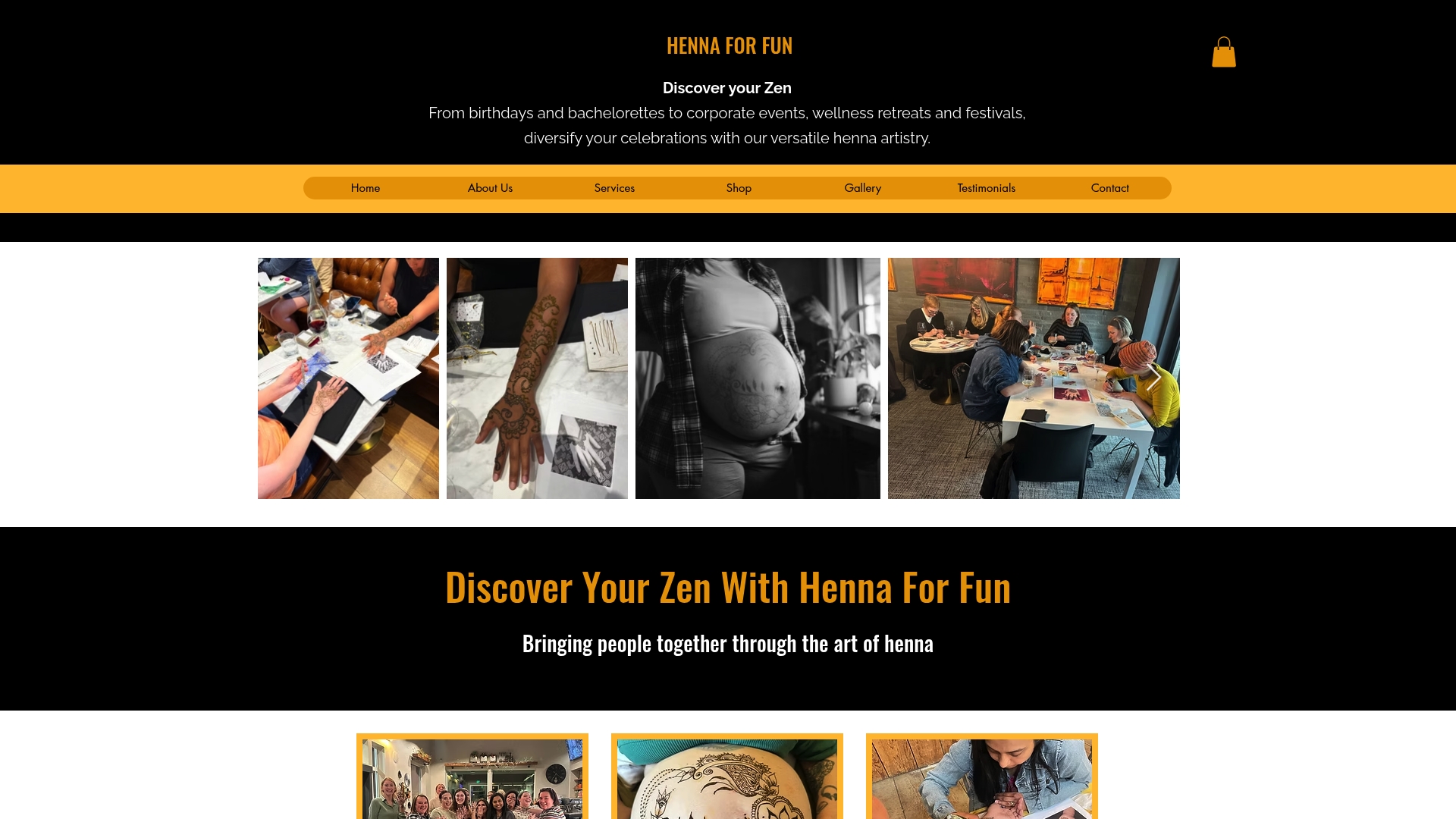
Art-based identity exchange (60 to 90 minutes). Offer mask-making, fabric-story collage, or henna-inspired hand-design templates. Guided prompts ask participants to connect a specific design choice to a piece of their identity, then pairs share their piece before a short full-group debrief. Henna For Fun’s private and group lesson formats show how a guided design process naturally opens conversation without forcing anyone to speak before they are ready.
Roleplay for bystander practice (45 minutes). Script a tightly defined scenario, a biased remark in a meeting, and give participants two or three rehearsable phrases to practice out loud in pairs. Keep the decision moment narrow so cognitive load stays low. Debrief in a safe protocol: ask what felt hard to say, never whether someone “did it right.”
Multi-session inclusive practice program (launch day plus 8 weeks). Open with a full-day workshop, then pair participants for structured weekly interactions over eight weeks, each with a short micro-assignment. Programs built this way, combining a daylong workshop with eight weeks of structured interactions, report more lasting shifts in egalitarian attitudes than one-off sessions.
Pro Tip: Run the hiring simulation or bystander roleplay in the same week as a real decision point whenever possible: timing close to an actual choice is what makes behaviorally designed practice stick.
Planning the Room, the Roles, and the Accessibility Checklist
Choosing a format starts with the objective, then the time available, then the activity type, and finally group size, in that order. A 20-person leadership team working through a specific conflict needs a different room setup than a 200-person all-hands energizer.
Five roles keep a session running smoothly: a lead facilitator, a co-facilitator who watches the room while the lead talks, a trigger steward who checks in with anyone visibly distressed, a notetaker capturing themes for follow-up, and a named accessibility contact participants can reach before and during the event.

One widely used facilitator kit structures its core session as a 60-minute module that scales by group size, built around slide decks and participant workbooks. That 60-minute benchmark is a useful default when you are not sure how long to book the room.
Build accessibility in from registration, not as an afterthought:
Ask about accommodation needs directly on the registration form.
Arrange live captioning for any session longer than 30 minutes.
Include a scent-free request in pre-event communications.
Check seating layout and sightlines for anyone using a mobility aid.
Offer materials in alternative formats, following inclusive meeting accessibility guidance.
For virtual sessions, assign a co-host to manage breakout rooms, share materials as both a document and a read-aloud script, turn on captions by default, and set a clear microphone-muting norm before the session starts.
Measuring What Changes After the Workshop
A single training session rarely changes behavior on its own. A large randomized trial of hour-long online diversity training found some shift in attitudes but limited behavior change for many participants, which is why follow-up structure matters as much as the session itself.
Track a small number of indicators instead of a long survey:
Action-plan completion rate within 30 days of the session.
Shortlisting or hiring proxies where the workshop targeted a hiring decision.
A short pulse survey question asked at two and eight weeks post-session.
Manager ratings on a simple behavior checklist tied to the session’s specific goal.
Follow-up structures that sustain change include the eight-week paired practice model described earlier, short monthly check-ins with a leader for accountability, brief microlearning refreshers, and occasional one-on-one coaching for anyone struggling to apply a new behavior.
Indicator | Baseline | Week 4 | Week 8 |
Action-plan completion | 0% | tracked | tracked |
Pulse survey score | recorded | recorded | recorded |
Manager behavior rating | recorded | recorded | recorded |
Why Hands-On Creative Practice Builds Belonging
Art-based sessions work because they let people practice vulnerability through a shared task instead of a direct confrontation. A guided design process, whether it is fabric, mask-making, or henna-inspired hand art, gives participants something to point at while they talk about identity, which lowers the pressure of speaking first.
We have structured 45 to 90 minute creative sessions around exactly this kind of debrief, where a design choice becomes the bridge into a conversation about where someone feels seen or overlooked at work.
— Angana
Bring a Henna-Inspired Session to Your Team
We built our corporate workshops around the same insight this guide keeps returning to: people open up faster when their hands are busy and the stakes feel low, which aligns with why attending wellness workshops can transform well-being through hands-on, group experiences. A henna-inspired design session gives your team a shared creative task that naturally surfaces conversation about identity and belonging, without the awkwardness of a cold icebreaker.
Short team sessions (15 to 45 minutes) that slot into an existing all-hands or offsite.
Full creative deep dives (60 to 90 minutes) for teams ready to go further into identity-based storytelling.
Custom multi-session programs built around your team’s specific goals.
Check dates and request a quote through our Whenna Events page or reach out directly through corporate workshops to scope a session for your group.
FAQ
What are some DEI activities?
Strong DEI activities include paired storytelling, perspective-taking discussions, behaviorally designed decision simulations tied to a real hiring or promotion choice, and art-based identity exchanges using mediums like fabric, masks, or guided design work. The strongest options combine a short practice task with a debrief that connects the activity back to a real workplace decision.
What are good DEI topics?
Effective workshop topics include inclusive hiring decisions, bystander intervention, inclusive language in daily communication, psychological safety, and belonging through shared creative practice. Topics work best when tied to a specific decision point rather than treated as general awareness-raising.
What are some examples of DEI training?
Examples range from a 30-minute microlearning module on inclusive language to a full-day workshop paired with eight weeks of structured follow-up practice. Art-based sessions, roleplay for bystander practice, and behaviorally designed hiring simulations are also common formats used by facilitator toolkits.
What are the 7 pillars of diversity?
Definitions of a “7 pillars” model vary by organization and no single version is the recognized standard. Most versions cover dimensions like race, gender, age, ability, religion, sexual orientation, and socioeconomic background, so it is worth confirming which framework a specific source or facilitator is using before applying it.
Sources
Recommended
Comments